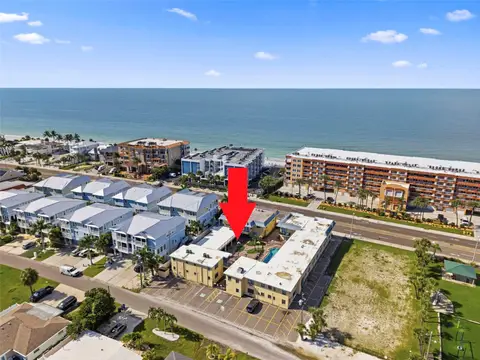
Redington Beach is a small barrier island town in Pinellas County, about ten blocks long on Gulf Boulevard between North Redington Beach to the north and Madeira Beach to the south. It reaches from the Gulf of Mexico to the Intracoastal Waterway, and most of its roughly 1.3 square miles is water, with about a third of a square mile of land. Downtown St. Petersburg is about 13 miles away by car by way of the Tom Stuart Causeway in neighboring Madeira Beach.
Living in Redington Beach
Redington Beach was platted in 1935 and incorporated in 1944, making it the oldest of the three Redington towns. Town Hall is at 105 164th Avenue. Besides four parks, the town has five small "triangle" parks with plantings at intersections along Redington Drive and 2nd and 3rd streets. The PSTA Suncoast Beach Trolley stops in town on Gulf Boulevard.
Parks in Redington Beach
- Town Park, Gulf Boulevard and 164th Avenue: playground equipment and a shelter you can reserve through Town Hall.
- Friendship Park, on 164th Avenue across from Town Hall: landscaped with flowers and native plants.
- Moon Park, on the beach side of Gulf Boulevard at 157th Avenue: a mural, and it doubles as a beach access.
- Causeway Park, along the 161st Avenue causeway: benches for sitting and fishing over the water.
The beach in Redington Beach
The town has six public beach accesses off Gulf Boulevard: 155th Avenue, Moon Park at 157th Avenue, 158th Avenue, 160th Avenue (the town's beach parking lot), 162nd Avenue and 163rd Avenue. Marked crosswalks cross Gulf Boulevard at 158th, 161st and 163rd avenues. Next door in Madeira Beach, Archibald Memorial Beach Park at 15100 Gulf Boulevard has restrooms, showers and a snack bar, and John's Pass Village is a few miles farther south.
Homes in Redington Beach
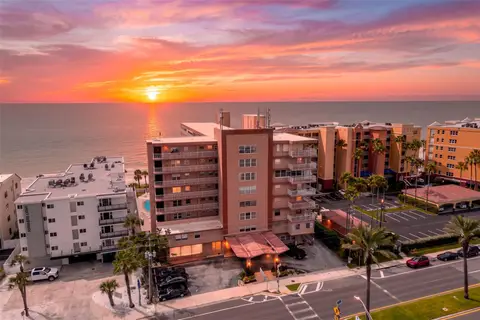
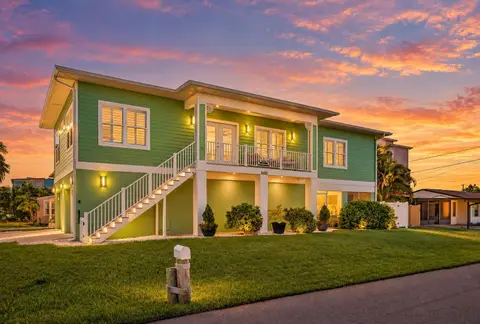
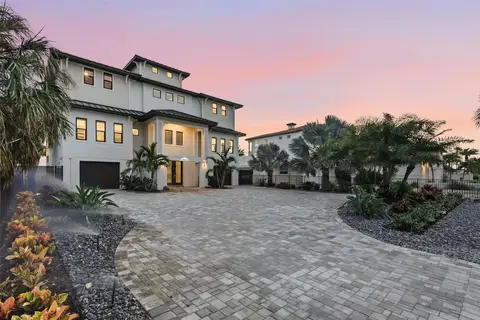
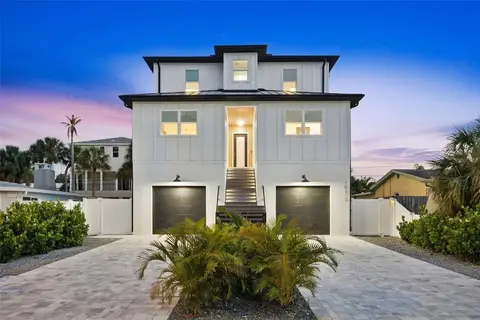
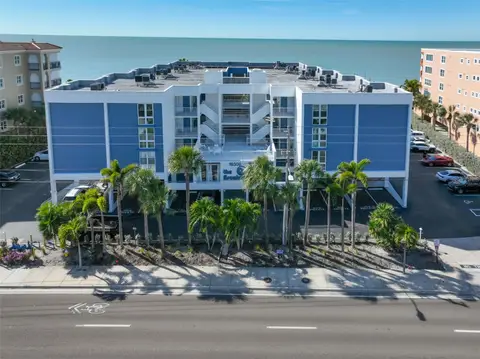
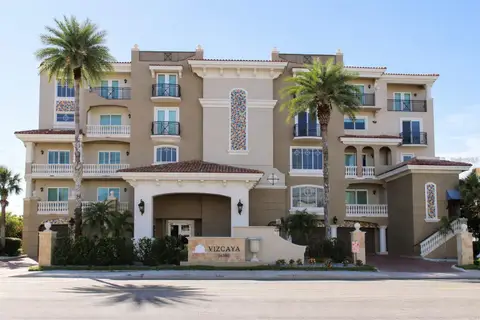
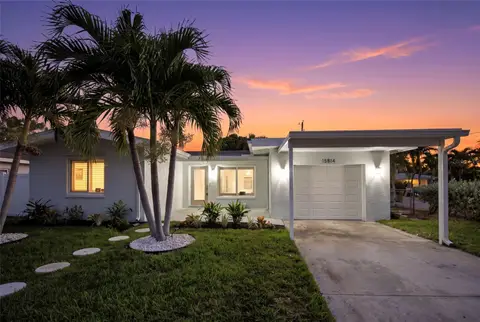
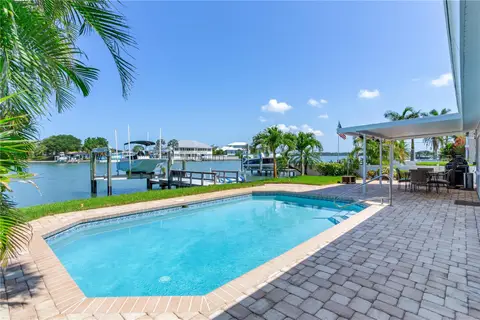
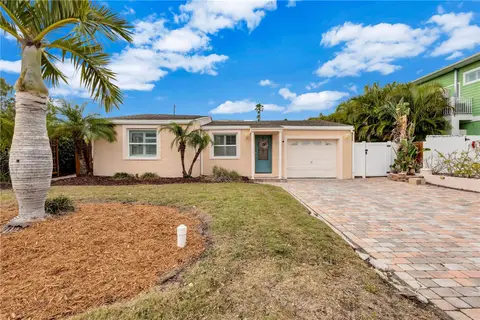
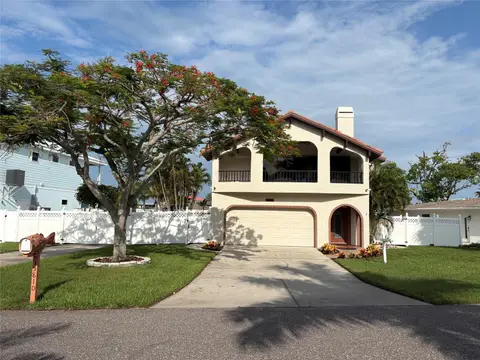
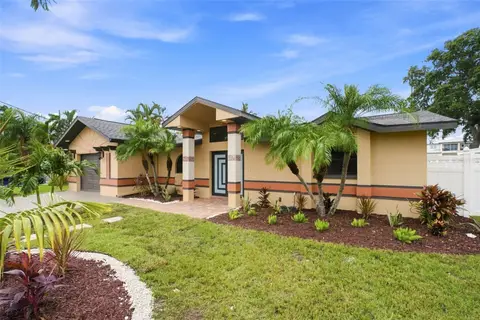
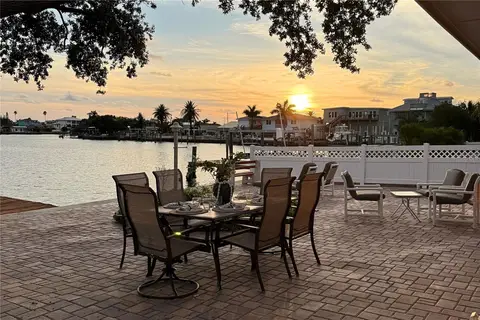
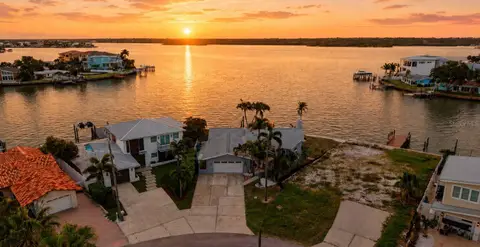
Redington Beach is overwhelmingly single-family. Many homes date from the 1940s and 1950s, alongside newer rebuilds from recent decades, and about half have water frontage, on either the Intracoastal side or the Gulf. Condominiums are few, in buildings from the 1970s to the 2000s, and there are a handful of townhouses from the 2010s. With so much of the town's area made up of water, bay-side streets end at seawalls and open water rather than more streets.